
Response Rates

81%

Depression

73%

Anxiety

64%

OCD

76%

PTSD

What Is TMS Therapy?

In 30 Seconds

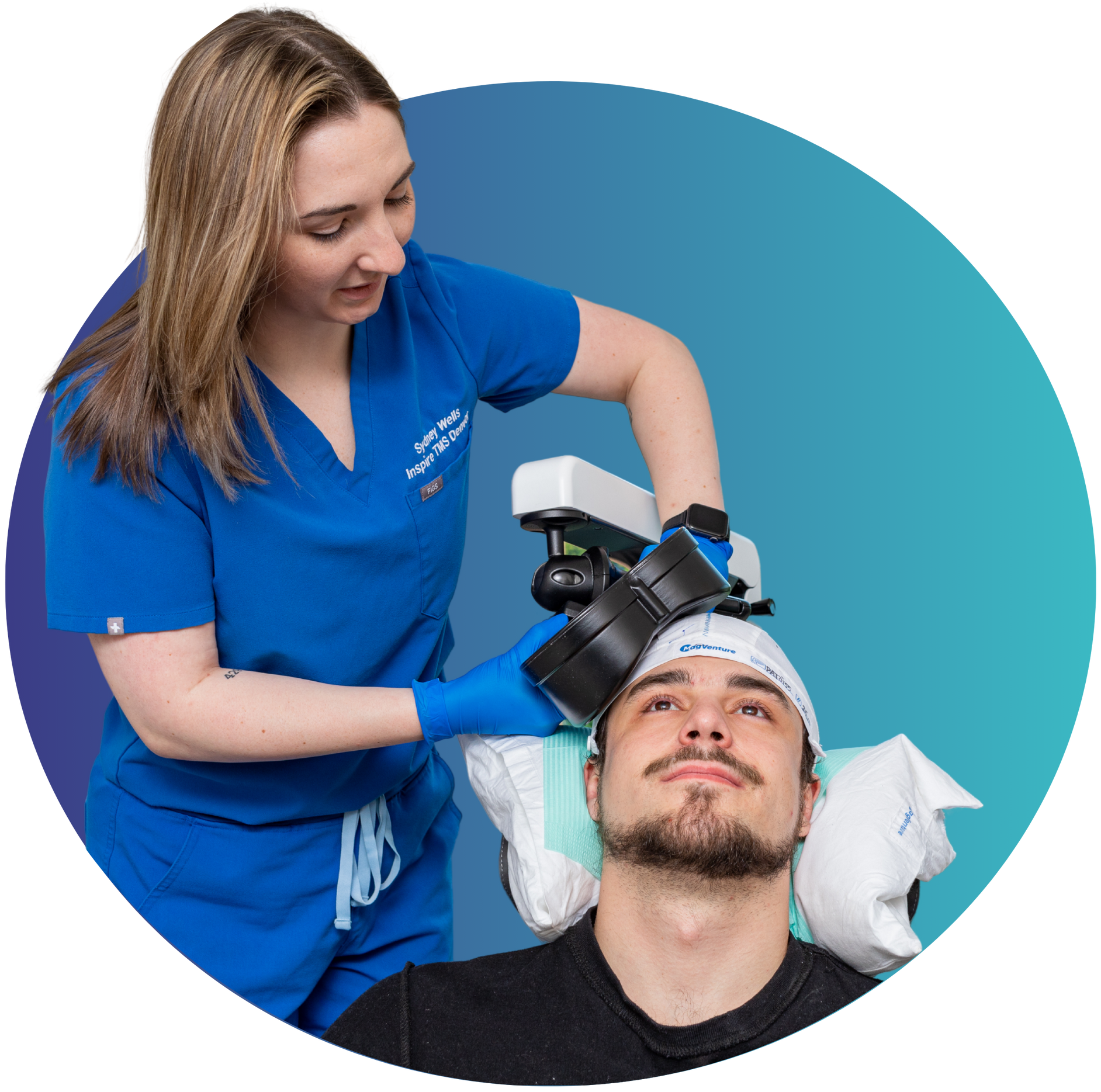
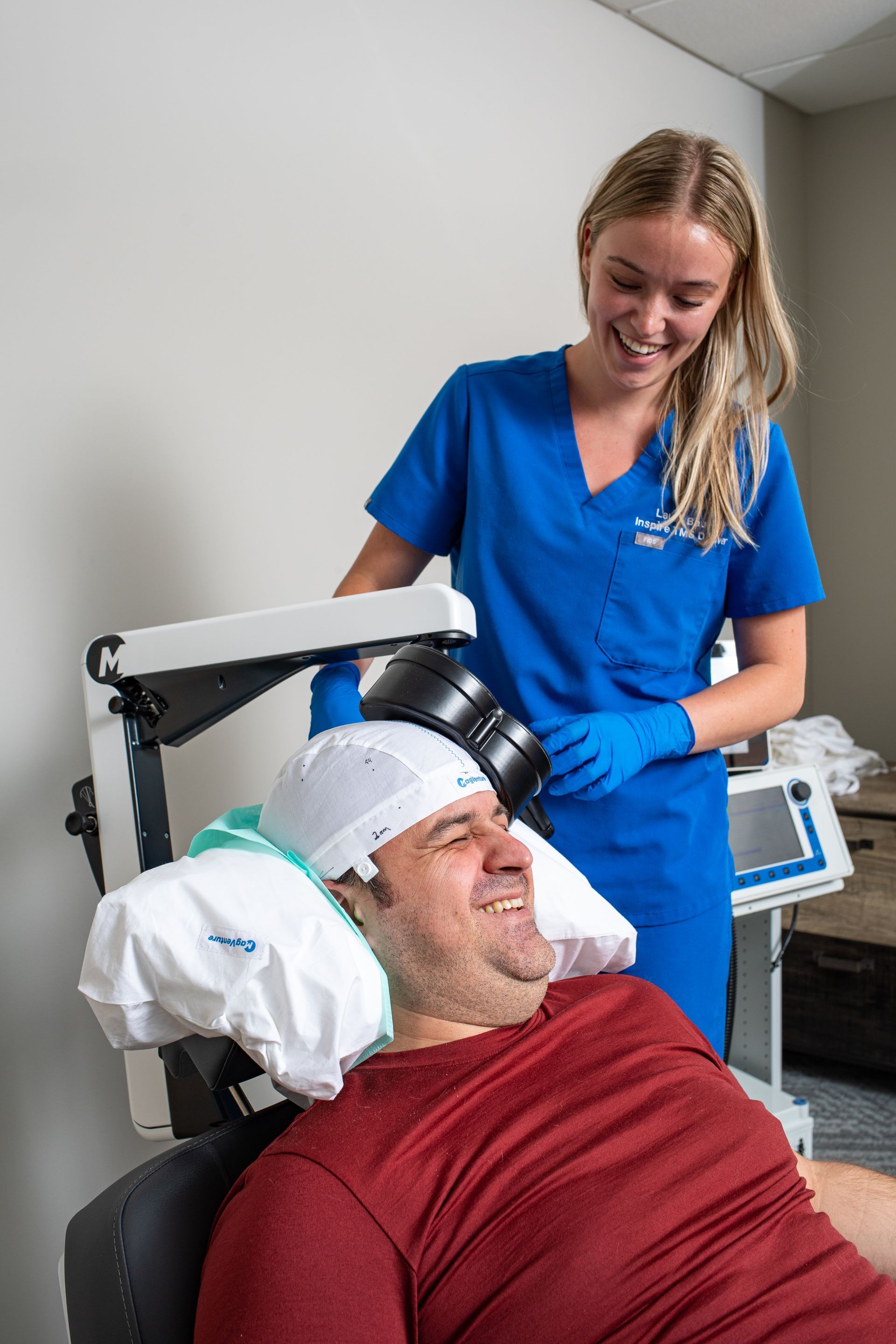
TMS is FDA-approved, drug-free, and effective for depression and other mental health conditions when medications haven’t worked.

No daily meds, no weight gain or other unwanted side effects, no downtime.

Over 15,000 treatments delivered in Denver.

How Does It Work?

With Dr. Clinch

Conditions Treated

With Sydney

Is It Right For Me?

With Michelle

From 8 Weeks to 5 Days

Accelerated TMS for Faster Relief

10 sessions daily over 5 days - condensed protocol, same proven technology and better results

Ideal for busy schedules and for those without close access to a TMS clinic - faster path to relief without medication

All-inclusive rate: $7,000 - includes evaluation, 50 sessions during treatment week, all follow-up visits, and free touch-up sessions within 6 months if needed

Find the Right TMS Option for You

From first-time treatment to rapid relief, we’re here with a plan that fits.

Non-invasive, FDA-approved treatment for Major Depression & OCD.

Overseen by a psychiatrist and tailored to the needs of younger patients.

Intensive, short-term version delivering 50 sessions over 5 days.

Your Denver TMS Specialist

Committed to your individual care & recovery

Dr. Samuel Clinch

Your TMS Psychiatrist

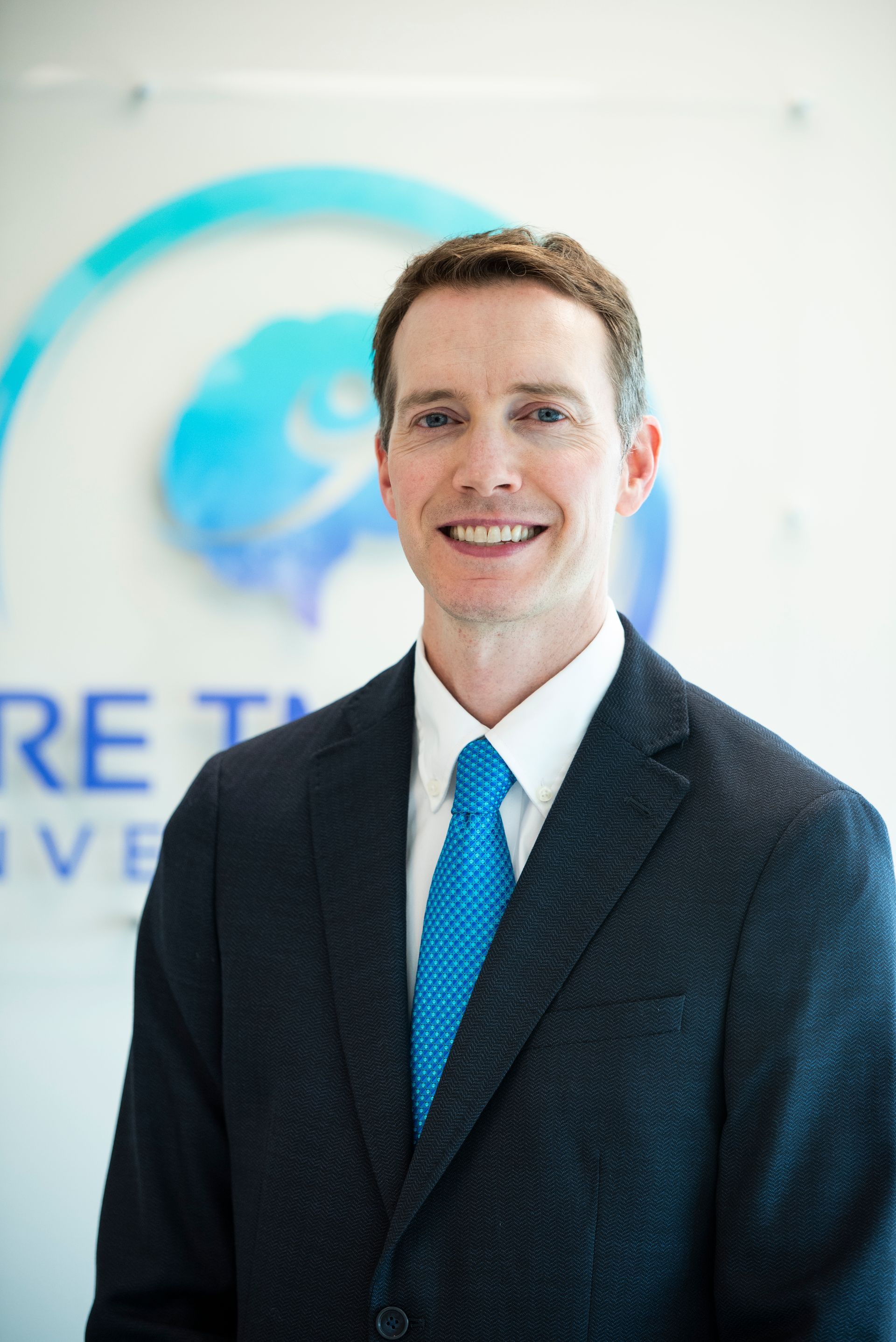
Inspire TMS Denver was founded by Sam Clinch, MD, a board-certified Psychiatrist with over 10 years’ experience in the field. He opened Inspire TMS Denver after seeing the limitations of medications and counseling for a significant portion of his patients.

Dr. Sam Clinch, on KDVR’s Colorado’s Best

Us vs Them

What sets Inspire TMS apart from typical TMS providers


Inspire TMS Denver

Sliding Scale Pricing Available

5-day Accelerated TMS Protocol

10–15 min call with Doctor

Focused Exclusively on TMS

>80% Clinic Response Rates

Cost Estimator Tool

15,000+ Treatments Completed


Other Clinics

Fixed Pricing Only

Often Unavailable

Long Wait or Intake Staff Only

Larger Multi-Service Clinics

Unpublished or National Data

No estimator or Guidance

Unknown Experience

Tour Our Denver Clinic

Walk through our clinic using the arrows below.

TMS Learning Center

Featured Resources

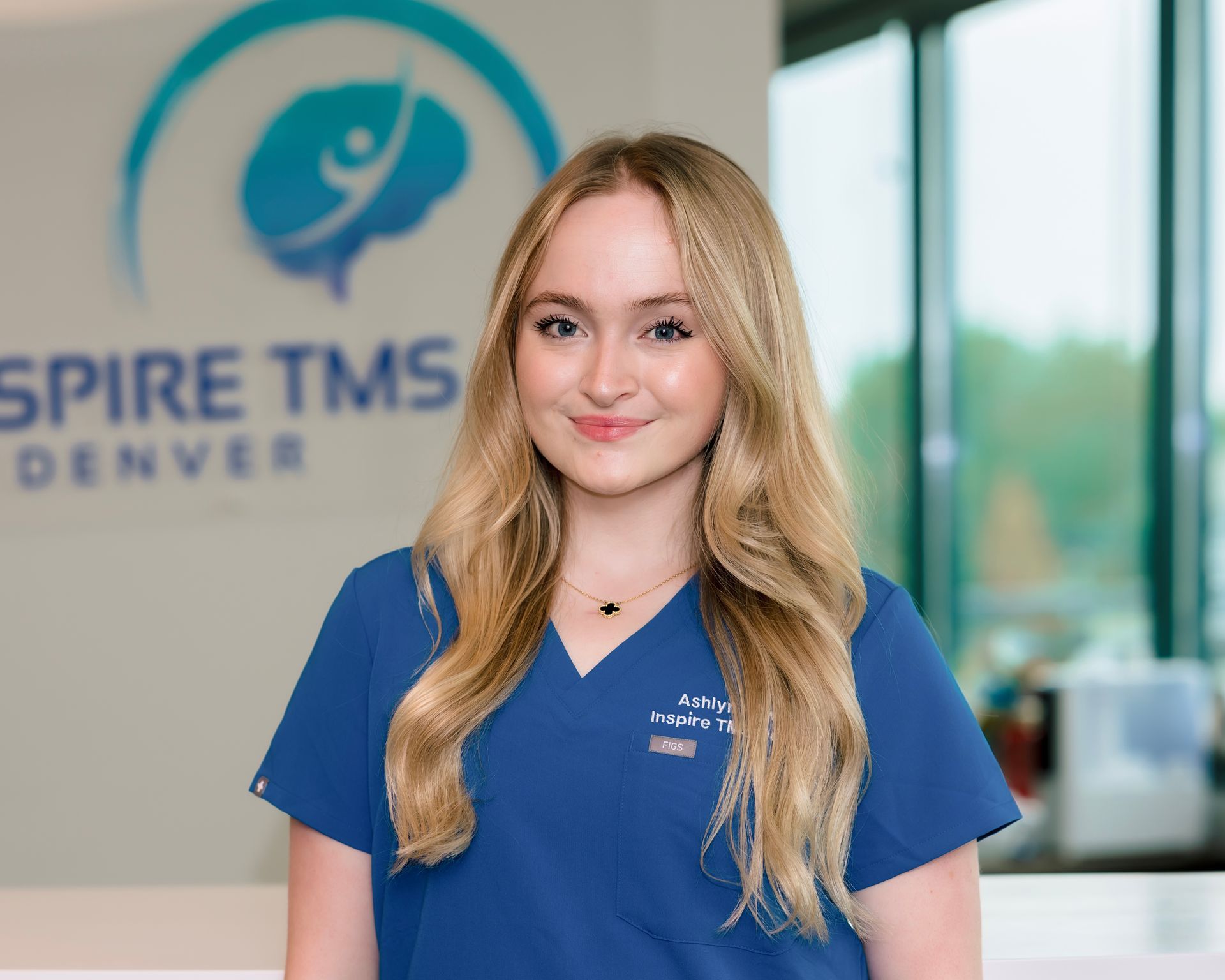
Woman in blue scrubs using a device on a patient's head. White towel, window with green trees.
By Sam Clinch February 17, 2026
Patients tell us the same thing again and again in reviews: they want clear evidence that treatment is working. At Inspire TMS Denver, we take that request literally - we don’t rely on impressions alone. We measure, record, and act on standardized outcome scores (like the PHQ-9) so every treatment decision is informed by data. That’s why our clinic reviews - the patient stories and high ratings you see online - are paired with hard numbers in our records: we translate “I feel better” into measurable change, and we use those numbers to shape treatment, follow-up, and long-term care. Why measurement matters TMS is powerful because it changes brain circuits. But brain change doesn’t always track neatly with how someone says they feel, especially early in treatment. Standardized scales give clinicians a consistent, sensitive way to detect meaningful clinical change, monitor safety, and decide whether to continue, adjust, or remap a course. At Inspire, we routinely use validated tools ( most commonly the PHQ-9 for depression, and condition-specific measures where appropriate ) before treatment, during the course, and at follow-up. These measures let us answer the crucial questions: Is the patient improving, and by how much? Is the current protocol producing the expected signal? Do we need to remap, change pacing, or offer a maintenance/rescue plan? Collecting and reviewing scores is not paperwork - it is how we turn patient experience into reproducible clinical decisions. What your scores actually mean (PHQ-9 primer) A few PHQ-9 facts are useful for patients: PHQ-9 range: 0–27. Lower is better. Common interpretive bands: 0–4 (minimal), 5–9 (mild), 10–14 (moderate), 15–19 (moderately severe), 20–27 (severe). Clinical response is often defined as a ≥50% reduction in PHQ-9 score from baseline; remission is typically a score in the minimal or near-minimal range. These guidelines let clinicians quantify improvement and compare progress across visits. Research and clinic reports commonly show robust response and remission rates when TMS is delivered to completion - published and clinic-level data often cite response rates in the 60–75% range and remission rates approaching ~45–51% among full-course completers. Those benchmarks help us set realistic expectations and evaluate our own results. How Inspire uses scores day-to-day Here’s how outcome tracking informs care at Inspire: Baseline & goals. We collect a baseline PHQ-9 (and other relevant scales). Dr. Clinch and the team set realistic targets and timelines — e.g., a 50% score reduction by week 4–6 — and share those with the patient. Frequent measurement. We repeat scores at scheduled intervals during treatment (weekly or at clinically meaningful points) so we can detect early signals that predict longer-term response. Data-driven adjustments. If scores plateau or worsen, we don’t guess - we review: does mapping need refinement? Is a medication interaction or a sleep problem present? Should we change protocol pacing, remap, or consider a rescue/maintenance plan? Remapping or protocol changes are common, evidence-driven steps when the data suggest they’re needed. Shared results & transparency. We show patients their numbers over time so they can see the progress (or lack of it) and participate in decisions. This transparency is part of why many patients report a better experience at Inspire - they understand how clinical choices are made and why. Outcome scores and patient reviews - how they match up Patient reviews are invaluable : they capture nuance, meaning, and quality of experience. But reviews are subjective and influenced by many non-clinical factors (appointment flow, staff warmth, travel ease). Outcome tracking gives a reproducible, objective counterpart. At Inspire, we regularly compare patient-reported outcomes with review themes. When a patient posts a high-rating review that mentions life improvements, we can show the corresponding PHQ-9 change in the record. Conversely, when review feedback suggests a problem (e.g., persistent symptoms or side effects), our scores often highlight the clinical trajectory that underlies that feedback. This two-way verification - reviews and scores - helps us continuously improve care and confirms that good experience usually follows measurable clinical benefit.
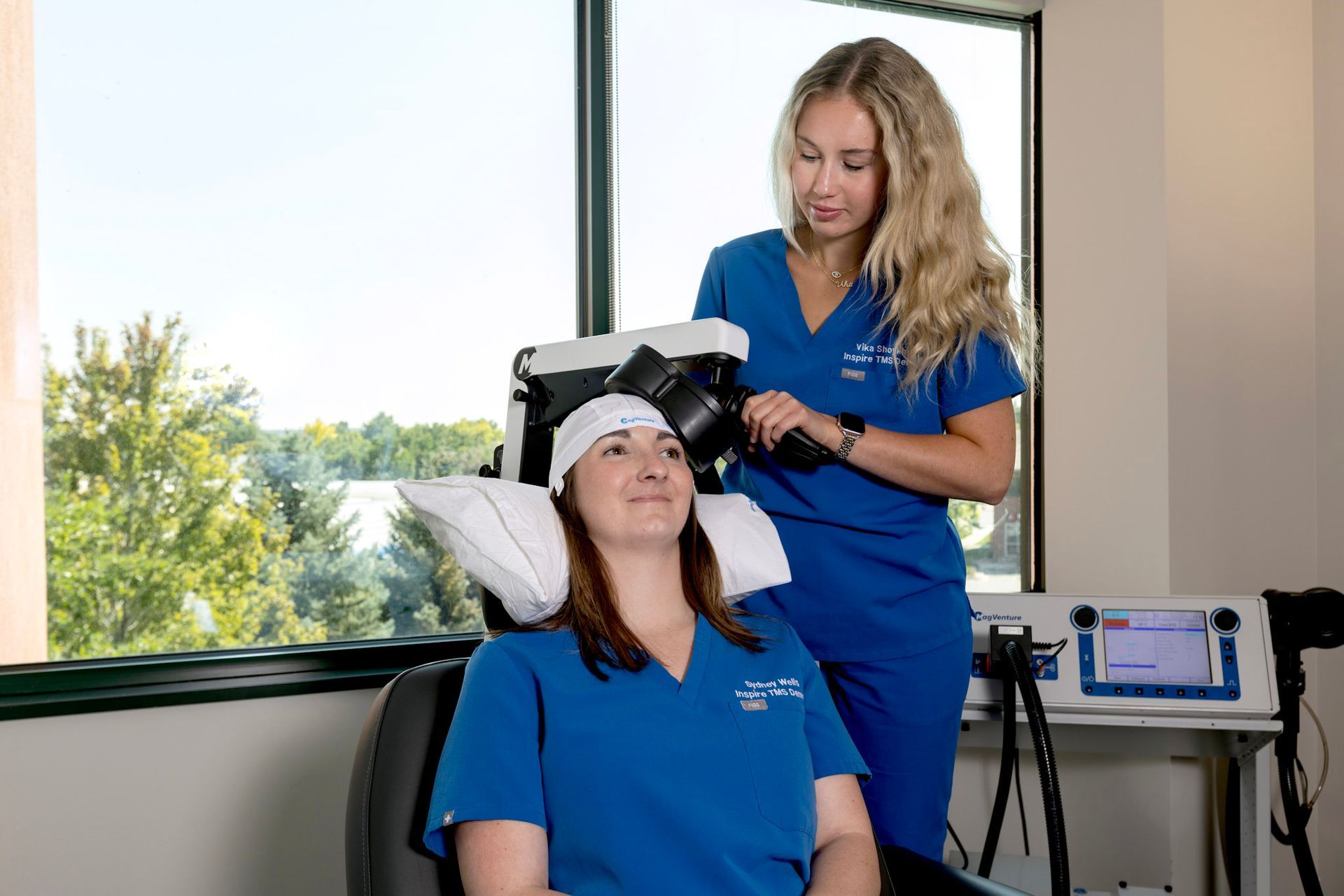
Medical professional uses a device on a patient's head in a brightly lit room with a window.
By Sam Clinch February 17, 2026
Many patients who want fast, effective relief from depression or other treatment-resistant conditions are exploring accelerated options such as One-Day (single-day) TMS or multi-session compressed courses. At Inspire TMS Denver, we see people travel here from across the U.S. - and the reasons are consistent: physician supervision, precise mapping, documented outcomes, and a patient-first approach to logistics and cost transparency. Below, we explain why patients choose Inspire, what acceleration truly means in practice, how much it costs, what to expect when you travel, and what the data and patient reports say about outcomes. Physician-led care & precise mapping - why it matters What differentiates an excellent accelerated program from a risky one is medical leadership and measurement. Before any accelerated course (including One-Day plans), Inspire requires a physician consult and motor-threshold mapping so dose and coil positioning are individualized to each person’s brain. That mapping step is essential: it sets a reproducible intensity, identifies the optimal coil position, and reduces safety risk - especially important when many sessions are delivered close together. Inspire’s model is explicitly physician-led and mapping-driven, which is why many patients choose it for compressed courses. For One-Day options, mapping and physician oversight are non-negotiable - delivering many sessions in a short window amplifies the effect of any misplacement or incorrect dose, so the clinic’s careful documentation and repeatability matter. Costs - what patients actually see Cost is often the first practical question. Accelerated One-Day packages are frequently offered as self-pay or sliding-scale options because many insurers do not yet cover highly compressed 20-session single-day packages. That said, Inspire has used transparent, example pricing in its content (historical comparison in clinic materials highlighted an Inspire accelerated offering at about $7,000 versus a higher example clinic at $12,500), and the team provides itemized estimates after benefits checks so patients understand their out-of-pocket responsibility before committing. Important insurance nuance: some payers - including Medicare and some commercial plans such as Cigna in certain circumstances - now cover modified accelerated patterns (for example, two sessions per day), which can make faster schedules more affordable when coverage applies. Inspire runs a benefits check and explains which accelerated options are likely to be covered and which will be self-pay. How Inspire helps with cost transparency Benefits check & itemized estimate before any scheduling. Sliding scale or financing options are discussed when appropriate. Clear comparison of standard vs accelerated cost and the difference in clinic time/commitment. Logistics & travel - how Inspire supports out-of-town patients A large share of One-Day and accelerated patients travel to Inspire because of the clinic’s physician supervision and documented experience. Inspire treats travel logistics as part of care: the clinic helps patients plan scheduling, suggests lodging and timing, and provides a clinician-written summary to bring home to local providers. Patients are advised to pack comfort items, chargers, and a current medication list to speed consults and mapping. Typical One-Day practicalities Expect a long but well-paced clinic day (often 8–12+ hours including consult, mapping, and multiple sessions). Bring photo ID, insurance card, a medication list, comfortable clothes, snacks, and a plan for rest after the day. The clinic gives a summary of mapping and outcomes you can share with your prescribing clinician.
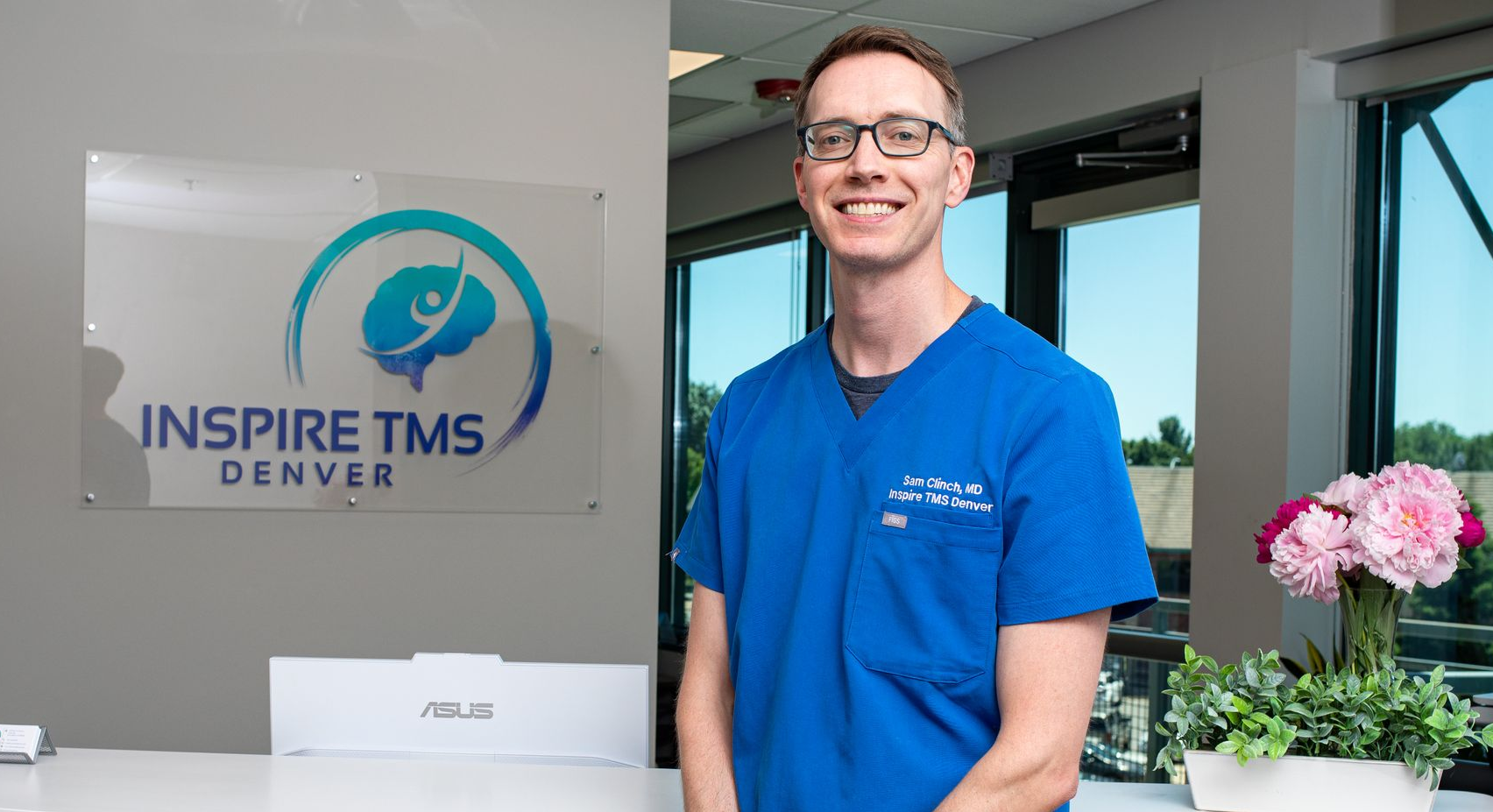
Man in blue scrubs stands in front of the reception desk at Inspire TMS Denver.
By Sam Clinch February 17, 2026
When patients ask what makes TMS precise, the answer is: mapping . At Inspire TMS Denver, Dr. Samuel Clinch and the team treat mapping not as a quick formality but as the clinical step that determines where we stimulate and how strongly - two things that have a direct effect on outcomes. Below, we walk through what mapping is, why it matters, how small changes can improve results, and what patients can expect when Dr. Clinch creates their individualized TMS map. What is motor-threshold mapping - and why do we do it? Motor-threshold mapping is the clinical process used to find the stimulation intensity and the precise coil position that reliably activates a known brain response (usually a small, measurable twitch of a hand muscle). That response tells the team how much magnetic energy reaches the brain at a given location and helps set a safe, effective dose for therapeutic targets. Mapping lets us: Personalize the dose. Everyone’s skull thickness, cortical anatomy, and responsiveness are different; motor-threshold mapping determines the appropriate stimulation intensity for your brain. Find the best coil location. Small shifts in coil position or angle change, which brain circuits get stimulated - mapping helps us locate the spot that best connects to the circuit we want to influence. Increase safety and predictability. Mapping is performed before any therapeutic session (standard or accelerated ), so we deliver a dose matched to your physiology, reducing risk and improving reproducibility. Dr. Clinch’s clinical priorities during mapping Dr. Clinch’s mapping approach emphasizes three things: precision, comfort, and context. Precision: mapping is done by a clinician-trained team under physician oversight, so coil position and intensity are documented and repeatable. This means we don’t “guess” - we measure and record. Comfort: mapping and initial sessions are paced with patient comfort in mind. If a patient is anxious or uncomfortable, we adjust breaks and pacing while maintaining diagnostic integrity. Contextual decision-making: Dr. Clinch interprets mapping data in the context of a patient’s history, current medications, prior TMS (if any), and treatment goals. That lets him recommend standard vs. accelerated schedules, conservative dosing for medically complex patients, or remapping when prior TMS results change. How small changes in coil position or dose matter It’s tempting to think “a few millimeters won’t change much,” but in TMS , a small positional or angle change can alter which connected brain circuit receives the strongest stimulation. Practically: A slight anterior/posterior shift may move stimulation onto cells with different functional connections. A small rotation of the coil changes the vector of induced current and can alter effectiveness or side-effect profile. A modest intensity adjustment (a few percent of motor threshold) can change how reliably synaptic pathways are recruited. Because of this sensitivity, the Inspire team documents coil coordinates and intensity on every mapping so treatment sessions reproduce the same physiological conditions each time. If outcomes aren’t as expected, the team often remaps and makes micro-adjustments - a step that frequently clarifies whether dose or position needs refinement.
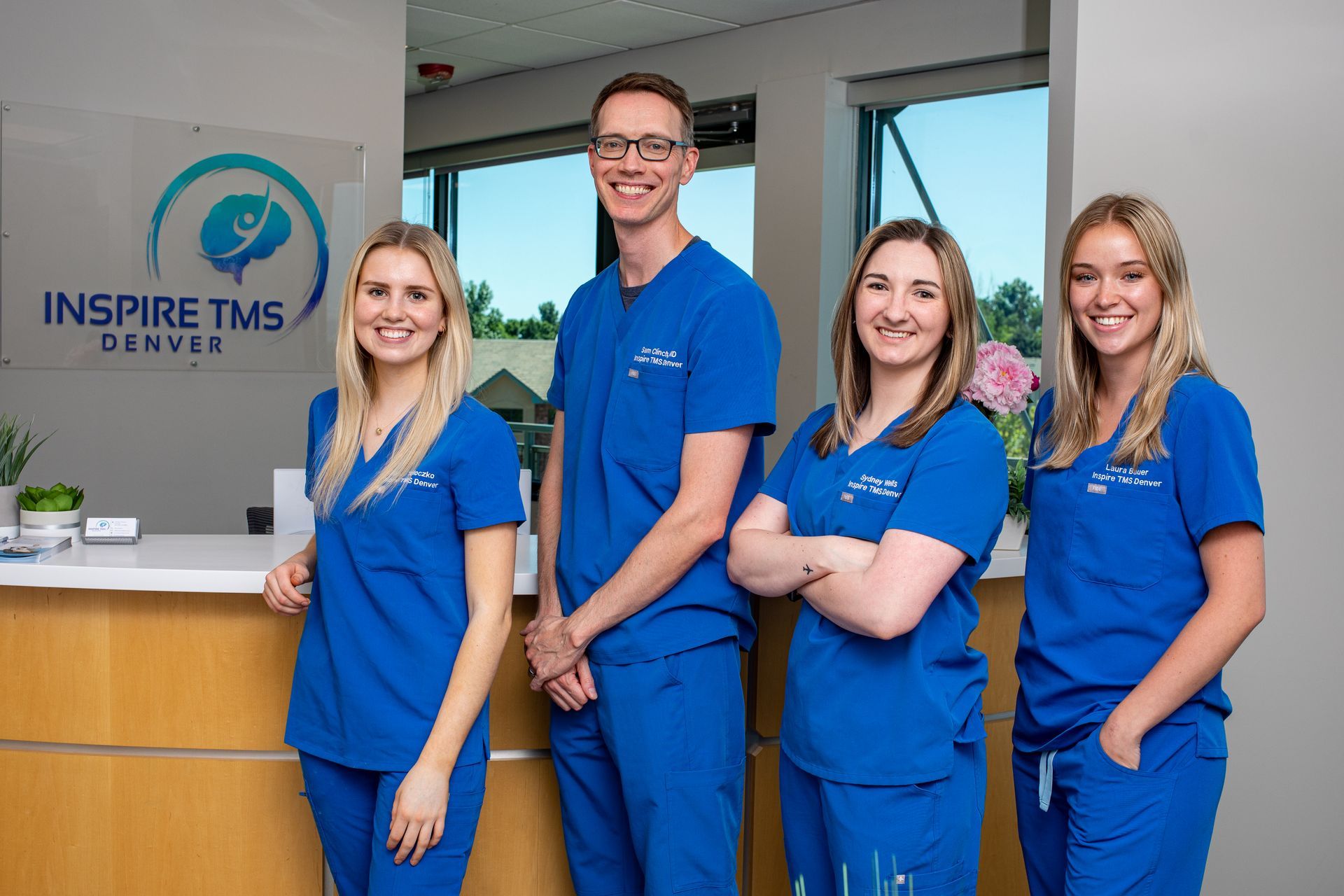
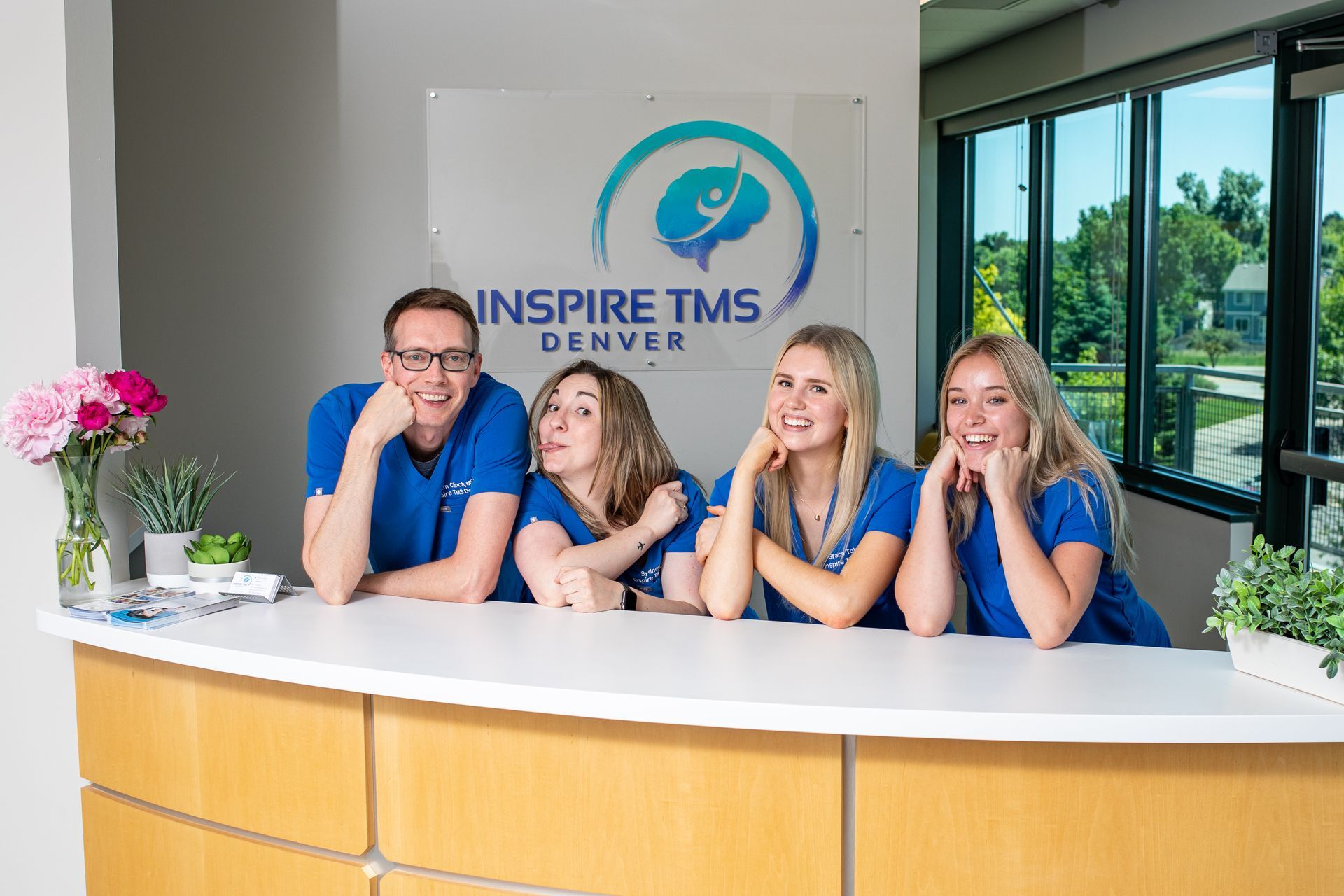
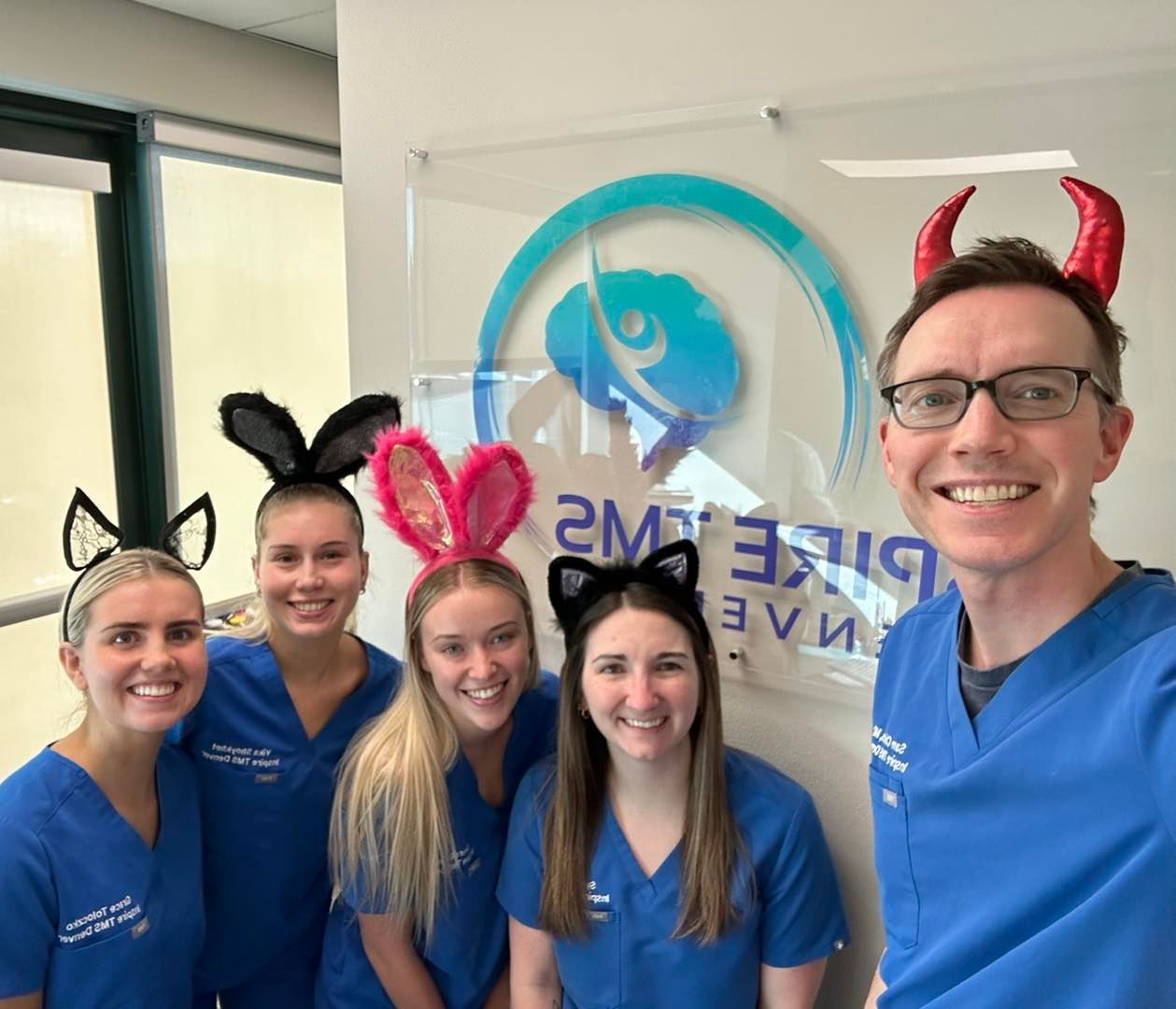
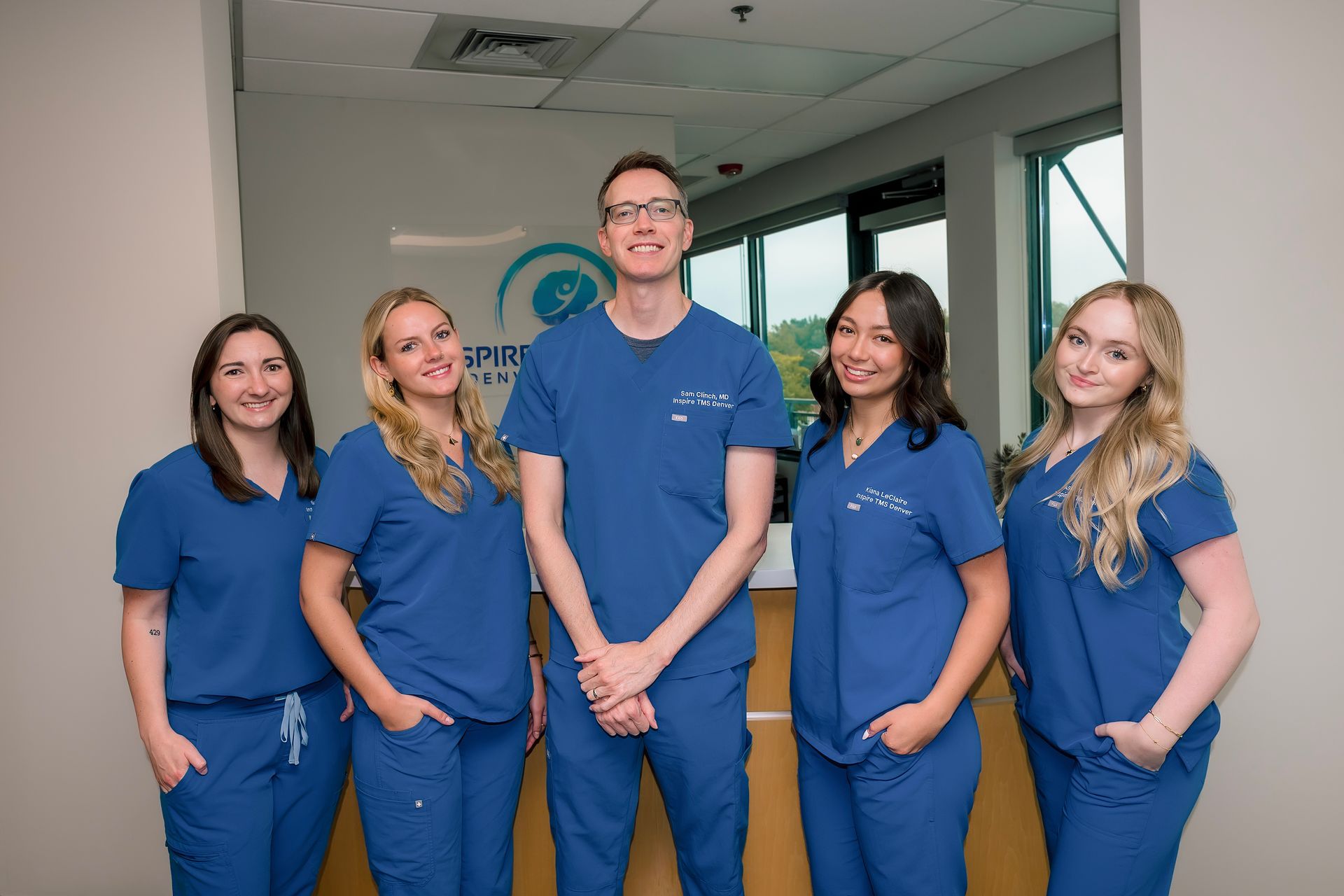
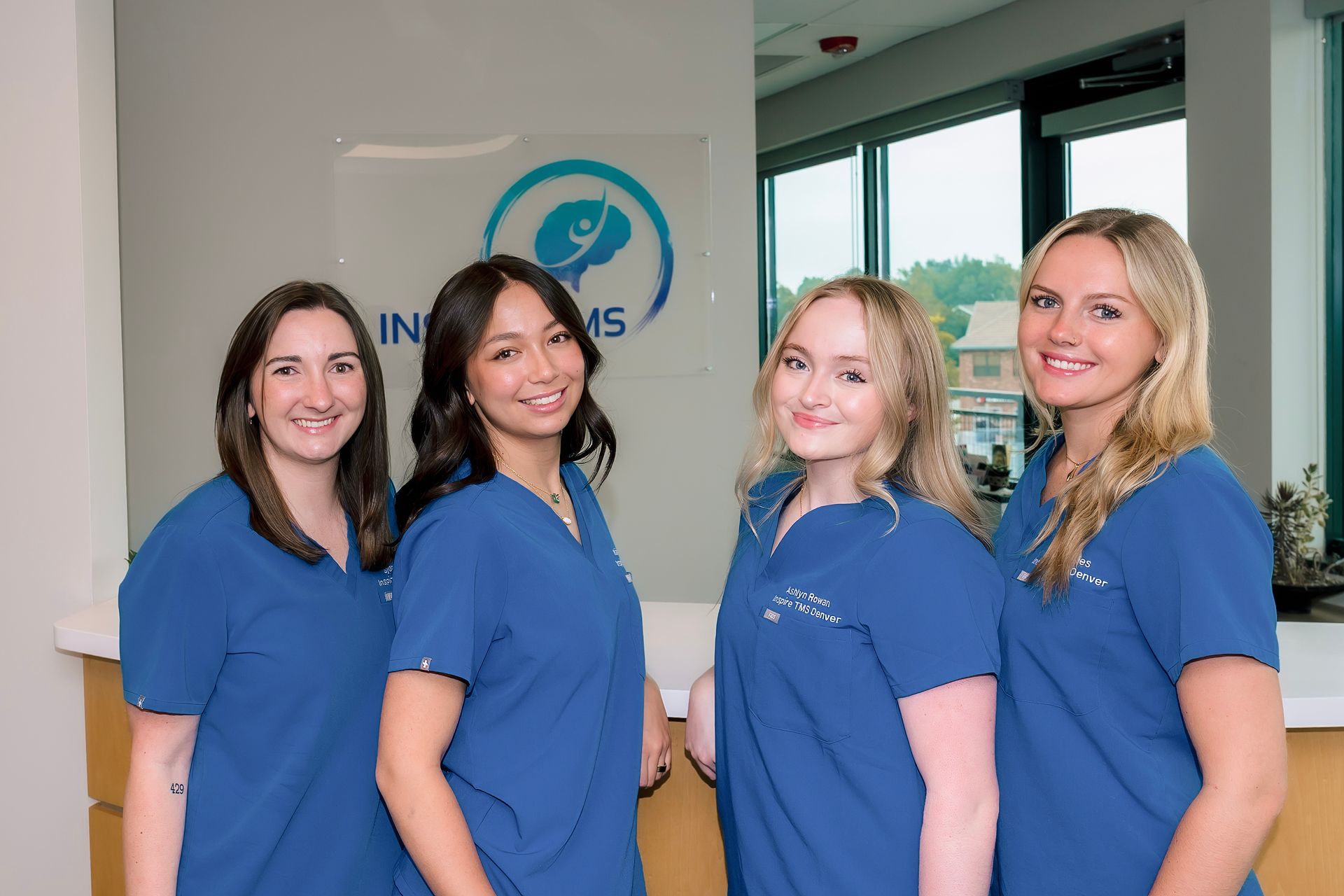
Four medical professionals in blue scrubs pose in front of a clinic's logo and waiting area.
By Sam Clinch February 17, 2026
Pros & cons One-Day (ONE-D) Pros: Fastest way to deliver a full course; convenient for travelers ; intensive physician supervision. Cons: Long day in clinic (8–12+ hours), often self-pay, greater short-term fatigue; requires careful monitoring and individualized dosing. iTBS Pros: Very short sessions; efficient biologic dosing; often better tolerated per session; flexible scheduling. Cons: Requires devices and protocols compatible with iTBS; not every patient or clinic will prefer iTBS for every indication - clinical tailoring is needed. Two-session or other compressed schedules Pros: Can balance clinic time and speed; may be covered by insurers in selected cases (e.g., Medicare/Cigna coverage for two sessions/day in certain circumstances). Cons: Coverage varies; still requires repeated clinic visits; may take longer overall than true ONE-D. Logistics & patient experience Consult & mapping first. Inspire requires a physician consult and motor-threshold mapping before any accelerated schedule, so dose and coil position are individualized. This step is essential regardless of whether you choose ONE-D, iTBS , or another compressed plan. Device capability. Accelerated plans are delivered on devices capable of compressed schedules (Inspire’s materials reference use of equipment that supports accelerated regimens). Device choice affects pacing and options. Travel & day planning. ONE-D patients should expect a long clinic day and plan for rest after their visit. Inspire helps traveling patients with scheduling, lodging suggestions, and a clinician-written summary to take home. Insurance & cost. Many ONE-D packages are self-pay; modified two-session/day schedules may be covered in some cases. Inspire runs a benefits check and provides itemized estimates before treatment. Safety, monitoring & outcomes Accelerated regimens require careful safety systems: seizure-risk screening, motor-threshold mapping, physician oversight, and ongoing outcome tracking. Inspire emphasizes these steps for all accelerated care and adjusts pacing or intensity to protect comfort and safety. For medically complex patients, a more conservative accelerated plan or extended monitoring is often recommended. Patient reports and clinic experience show that people travel to Inspire for physician-led accelerated options because of this oversight and comfort; Inspire documents and tracks outcomes to understand who benefits most from each approach.
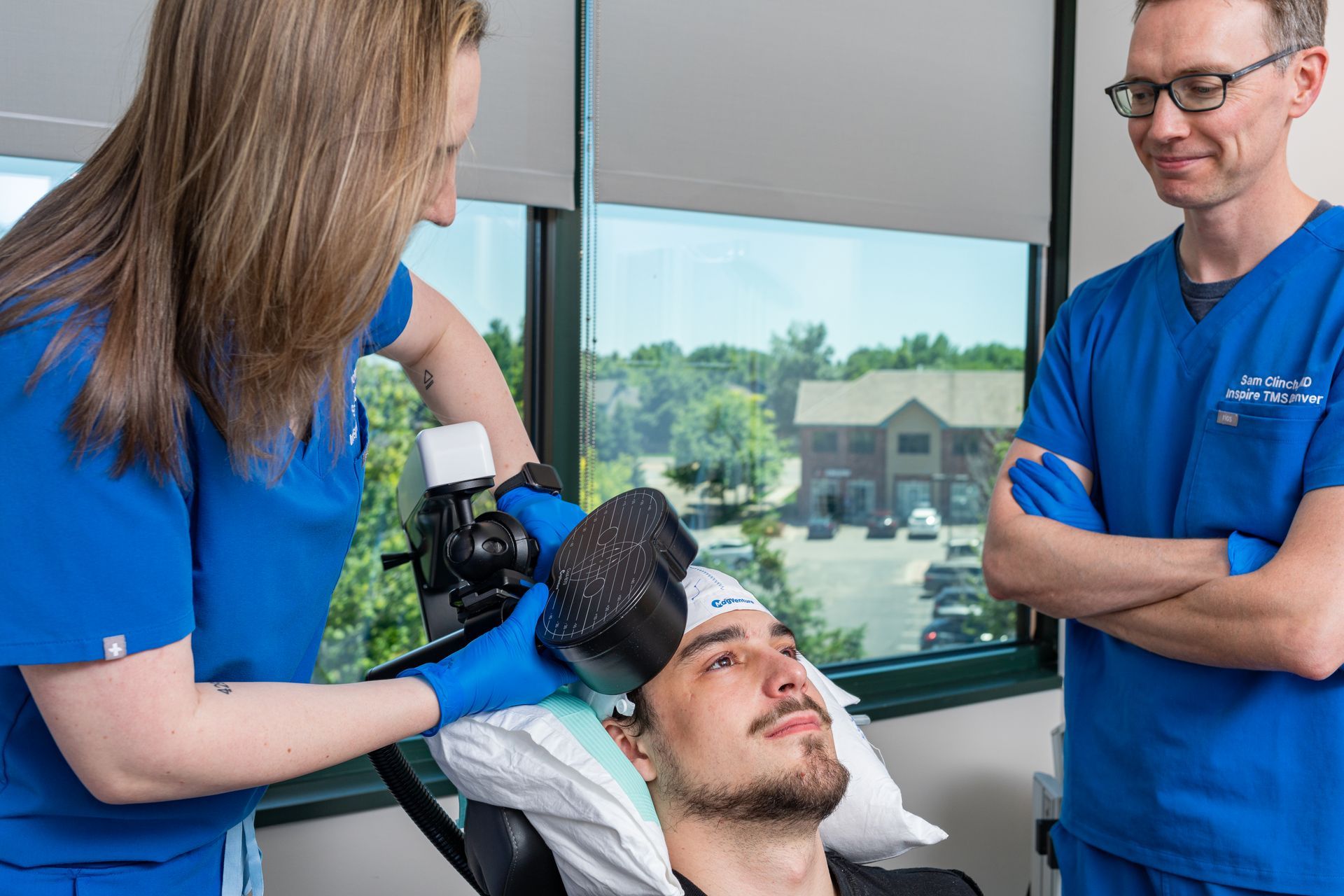
Doctor applying a device to patient's head in a medical setting. Patient seated, wearing a black shirt.
By Sam Clinch February 17, 2026
There’s a lot of excitement in the brain-stimulation world right now about ways to boost plasticity - the brain’s ability to change - so that treatments like Transcranial Magnetic Stimulation (TMS) work faster and more reliably. One of the ideas getting attention is called an “AMPA-cap” (a shorthand clinicians are using to describe interventions that increase AMPA-receptor activity or otherwise prime synapses for plastic change). Sam Clinch recently shared a useful discussion about this concept on LinkedIn, and we wanted to translate what it could mean for patients considering accelerated or One-Day TMS at Inspire TMS Denver . What is an “AMPA-cap” - in plain language? AMPA receptors are one of the main receptor types on brain cells that mediate fast excitatory signaling. When AMPA receptors are more active or more numerous at a synapse, that synapse is more ready to strengthen - a core mechanism of learning and long-term change (neuroplasticity). An AMPA-cap isn’t a single drug or procedure - it’s a shorthand for approaches that temporarily increase AMPA receptor function or otherwise “prime” the brain so stimulation produces larger or faster plastic changes. In practice, this could mean pairing TMS with: short-acting medications that enhance AMPA signaling behavioral or neuromodulatory steps that transiently increase cortical excitability timing stimulation to moments when the brain is naturally more plastic. This is still an emerging area of research - but the basic logic is straightforward: if TMS nudges circuits to change, a brain that’s already more plastic might change more quickly and more strongly. Why AMPA-caps matter for accelerated TMS Accelerated protocols (including One-Day or other highly compressed schedules) deliver many stimulation sessions in a short window. The clinical promise of accelerated TMS is obvious: faster biological effect, fewer clinic visits, and more convenient care for patients who travel or need rapid relief. But accelerated dosing raises two challenges: Biology vs. time. Delivering many sessions closely together assumes the brain will consolidate each dose quickly enough so the next dose continues to drive benefit rather than adding noise. Comfort & safety. Compressed courses must preserve safety and tolerability while still producing durable change. If AMPA-type priming safely increases the brain’s responsiveness to each session, an AMPA-cap could make each stimulation session more effective - meaning fewer sessions (or a highly compressed course) could achieve the same or better clinical change. In short, AMPA-based priming is conceptually ideal for accelerated regimens because it directly targets the mechanism (plasticity) that accelerated TMS is trying to exploit. How this could change clinical outcomes and the patient experience If the early science proves robust and safe in clinical trials, patients could see several practical benefits: Faster onset of benefit. Some patients respond slowly to standard TMS . An AMPA-cap paired with accelerated TMS could shorten the time to measurable improvement. Shorter treatment burden. For people who must travel, have job constraints, or prefer rapid courses, achieving similar outcomes in a One-Day or 1–2-day plan would be a major advantage. Inspire already sees patients travel for physician-supervised accelerated options , and better plasticity would make those visits even more effective. Potential for higher response/remission rates. If priming increases the proportion of sessions that produce meaningful change, average response and remission rates could improve. That said, we’ll need controlled clinical data to quantify this reliably. Individualized care. Some patients may be ideal responders to priming; others might not need it. Ultimately, it could become another tool to personalize TMS courses.
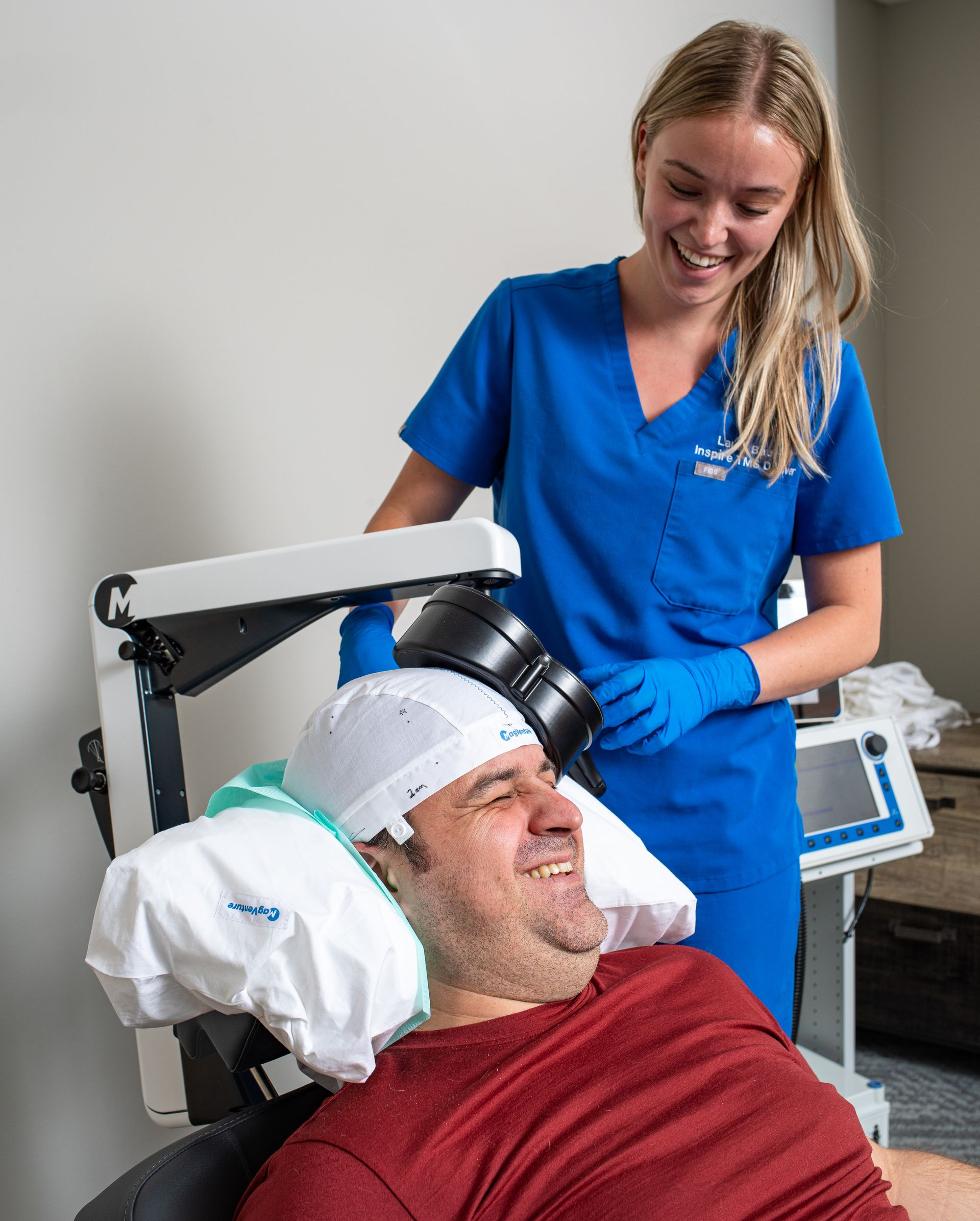
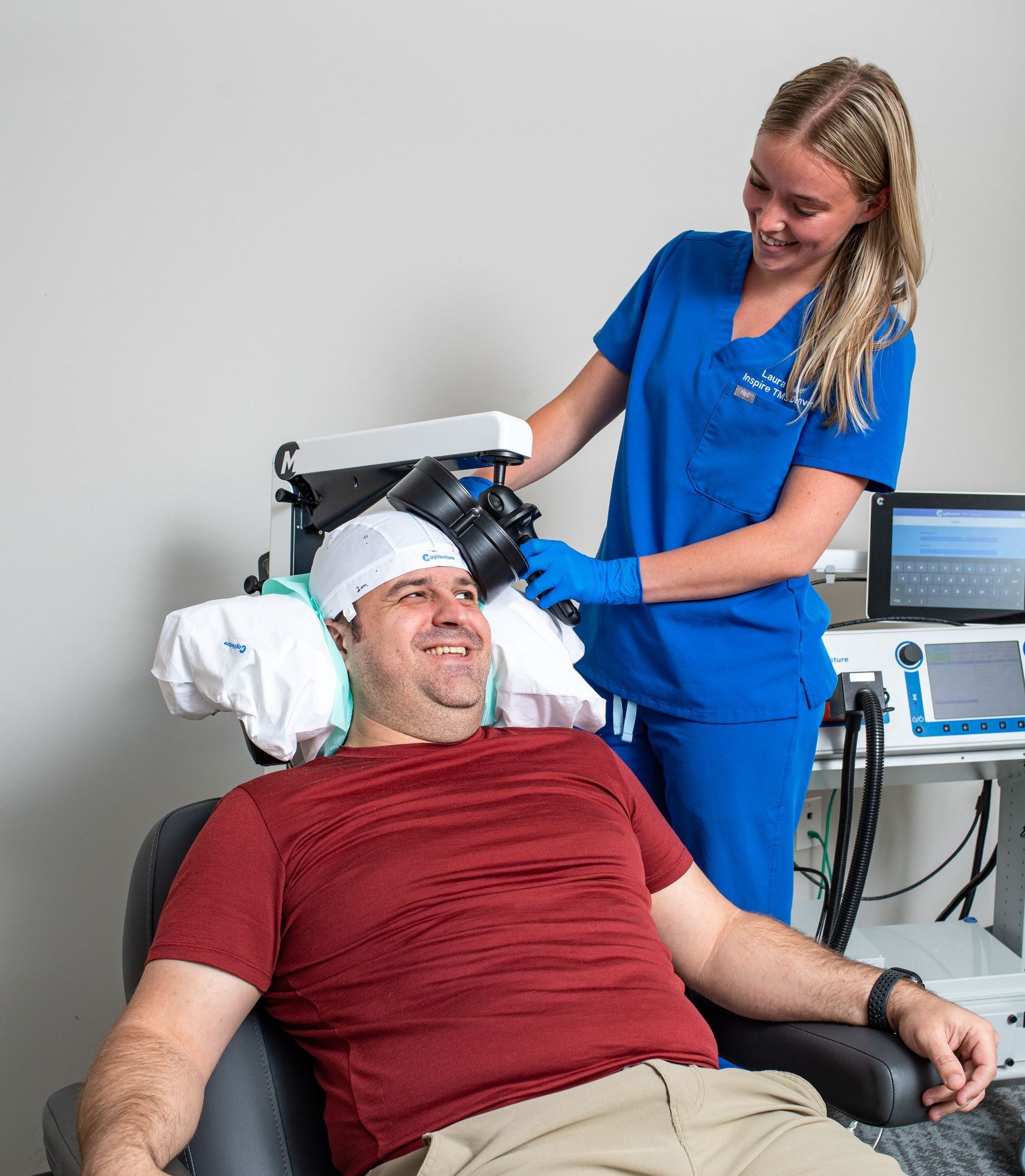
Man receiving treatment with device held by a person in blue gloves and scrubs.
By Sam Clinch February 2, 2026
Quick summary Accelerated TMS compresses many sessions into a short window so patients can complete a therapeutic course in days instead of weeks. Prices vary widely - Inspire TMS Denver lists an all-inclusive accelerated package at $7,000, while some other clinics publish prices above $12,000 for similar “week” or accelerated packages. The smartest way to shop isn’t the lowest sticker price: it’s comparing what’s included, clinician oversight, device/protocol quality, outcome transparency, and aftercare. This guide walks you through exactly what to look for and how to compare clinics fairly. What is “Accelerated TMS,” and why does price vary? Accelerated TMS (also called compressed or intensive TMS) delivers many short TMS sessions across a few days (for example, 50 sessions across 5 consecutive days) rather than one session per weekday over several weeks. Protocols differ (iTBS, SAINT-style, other accelerated regimens), and clinics may also test single-day compressed options (20 sessions in 1–2 days). These clinical differences - plus physician involvement, device brand, and whether medications or advanced devices (AMPA-capable) are used - explain much of the price variation. Accelerated options and experimental/augmented protocols are commonly self-pay, while standard TMS has more routine insurer coverage. Market price snapshot (what patients are seeing) Inspire TMS Denver - example all-in price: $7,000 (evaluation, mapping, 50 sessions, follow-ups, and touch-ups within a stated window). Higher-end example: Some clinics list $12,000–$13,000+ for comparable accelerated packages (verify inclusions on each site). Typical market range for full packaged accelerated weeks: ~$7,000–$13,000, depending on what the clinic bundles and how it positions the service. Read More: Pricing Why this matters: A lower price can look attractive, but it may exclude important items (mapping, physician oversight, touch-ups, follow-up) that affect both outcomes and long-term value. What an “all-inclusive” accelerated price should include When comparing accelerated quotes, insist on a written, itemized list. An honest “all-inclusive” package should cover: Comprehensive physician evaluation (psychiatric consult, review of prior treatments). Motor-threshold mapping & individualized targeting before the first session. Proper mapping is essential for safety and efficacy. All treatment sessions for the accelerated week (e.g., 50 sessions / 5 days). Standard safety monitoring and trained staff during every session. Follow-up visits and outcome tracking (PHQ-9 or similar) to measure response. Touch-up / rescue sessions included or discounted within a defined period (e.g., free/discounted touch-ups within 3–6 months). Insurance documentation (if you want the clinic to attempt coverage or appeals). Many clinics will run benefits checks and submit prior authorizations. If any of these are missing from a quote, ask why. An extra $1–4k upfront for a truly inclusive package often saves money and stress later.

What to Expect With TMS

We make starting TMS simple, supportive, and stress-free. Here’s how it works:

Speak with our psychiatrist or senior team member to explore if TMS is the right fit. Receive a benefits check once providing insurance information. No pressure, no obligation.

Free Doctor Consultation

If eligible, we’ll customize a protocol based on your diagnosis, symptoms, and schedule. Sessions are short and completely non-invasive.

Personalized Treatment Plan

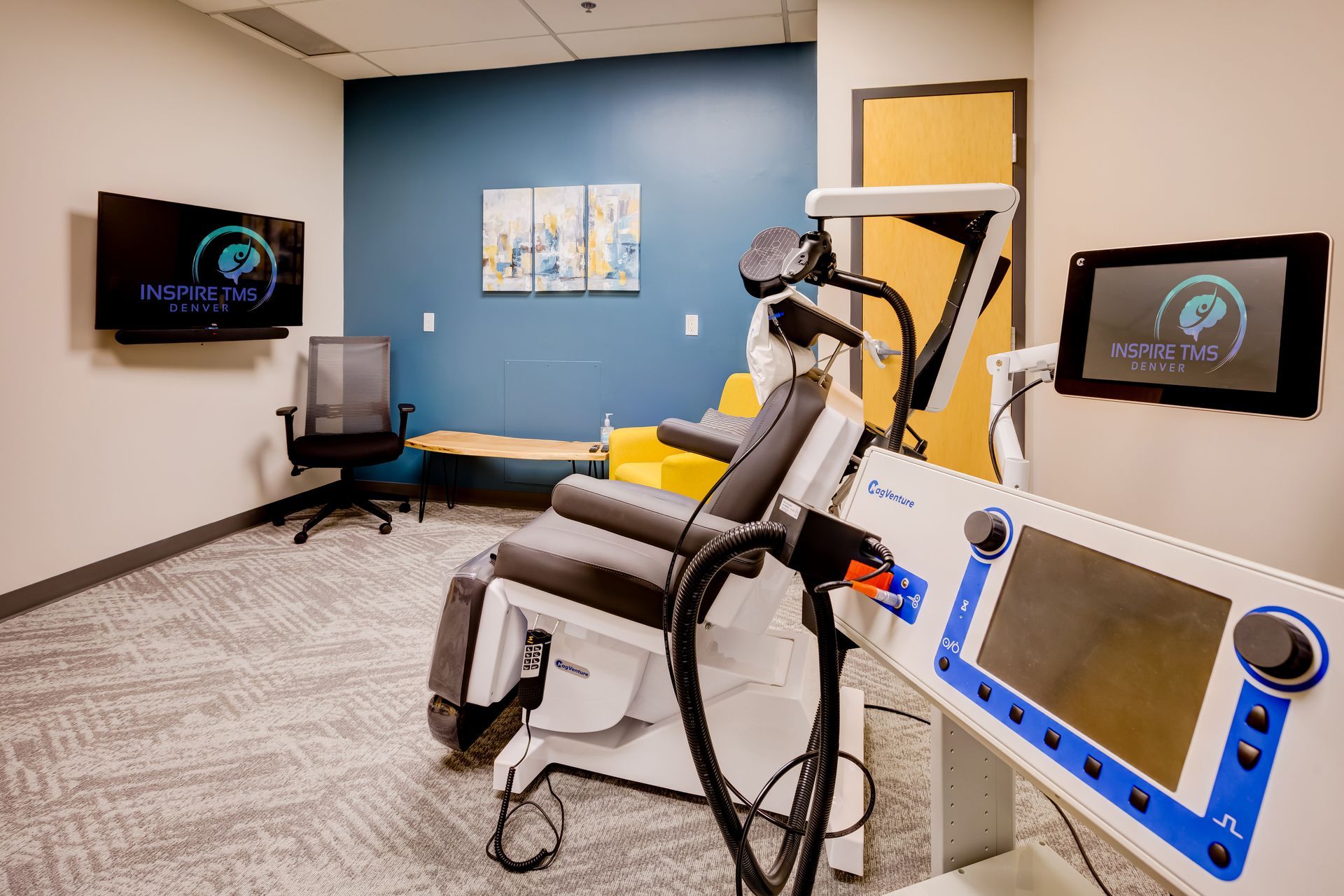
You’ll relax in a comfortable chair while we gently stimulate targeted brain areas using magnetic pulses. No sedation or downtime needed.

Your First Session

TMS is delivered 5 days per week over 6-8 weeks. Accelerated options speed up this time considerably. Our team monitors your progress closely and adjusts care to optimize results.

Ongoing Care & Progress Tracking

Feel the Difference

Most patients notice significant improvements within weeks - with fewer side effects than medication.

Not Sure Where to Start?

Take a quick quiz to get answers about your care options, coverage, and costs - in under 2 minutes.

Is TMS Right for Me?

Find out if TMS is a good fit for your symptoms and treatment history.

Quick 9-question screening

No pressure, no commitment

Personalized feedback

TMS Cost Estimator

Curious about your insurance coverage or out-of-pocket costs?

Coverage check

Self-pay pricing options

Sliding scale 

Sliding scale 

Talk to a Doctor

 Free 10–15 Min Call

Find out if TMS is a good fit for your symptoms and treatment history.

Eligibility & treatment info

Insurance & cost guidance

Personalized care advice

Hear What Our Patients are Saying

40+ Five Star Reviews on TMS Therapy In Denver, Colorado

Making TMS Affordable For Everyone

We believe cost should never be a barrier to effective care. That’s why we offer:

A white check mark in a green circle.

Sliding scale pricing for self-pay patients


A white check mark in a green circle.

Coverage with all major insurance providers

A white check mark in a green circle.

Easy access to third-party financing options

A white check mark in a green circle.

Free 10–15 minute consultation to get started

Why Choose Inspire TMS Denver

We combine clinical expertise with a personalized, patient-first approach. From board-certified care and flexible pricing to proven treatment outcomes, we’re here to help you find lasting relief - with support every step of the way.

Affordability Made Simple

Insurance, Financing & Sliding Scale Options

Board-Certified Psychiatrist

Over 10 Years of Clinical Experience

Fast-Track TMS Option

Accelerated Protocols for Faster Relief

Proven Patient Outcomes

Success Rates Tracked In-Clinic

Free Doctor Consultation

No Obligation, 10–15 Minute Intro Call

Personalized Care Plans

Tailored TMS Treatment for Every Patient

Your Free Consultation

Call us at 720-446-8675 or complete the form below.

Contact Us

What Happens After I Send My Message?

A white check mark in a green circle.

A team member will reach out within one business day

A white check mark in a green circle.

We’ll help you explore if TMS is right for you

A white check mark in a green circle.

You’ll get answers to your questions about treatment, eligibility, and cost